
Photo by <a href="https://unsplash.com/@polarmermaid" rel="nofollow">Anne Nygård</a> on <a href="https://unsplash.com/?utm_source=hostinger&utm_medium=referral" rel="nofollow">Unsplash</a>
Current Gold Price Overview
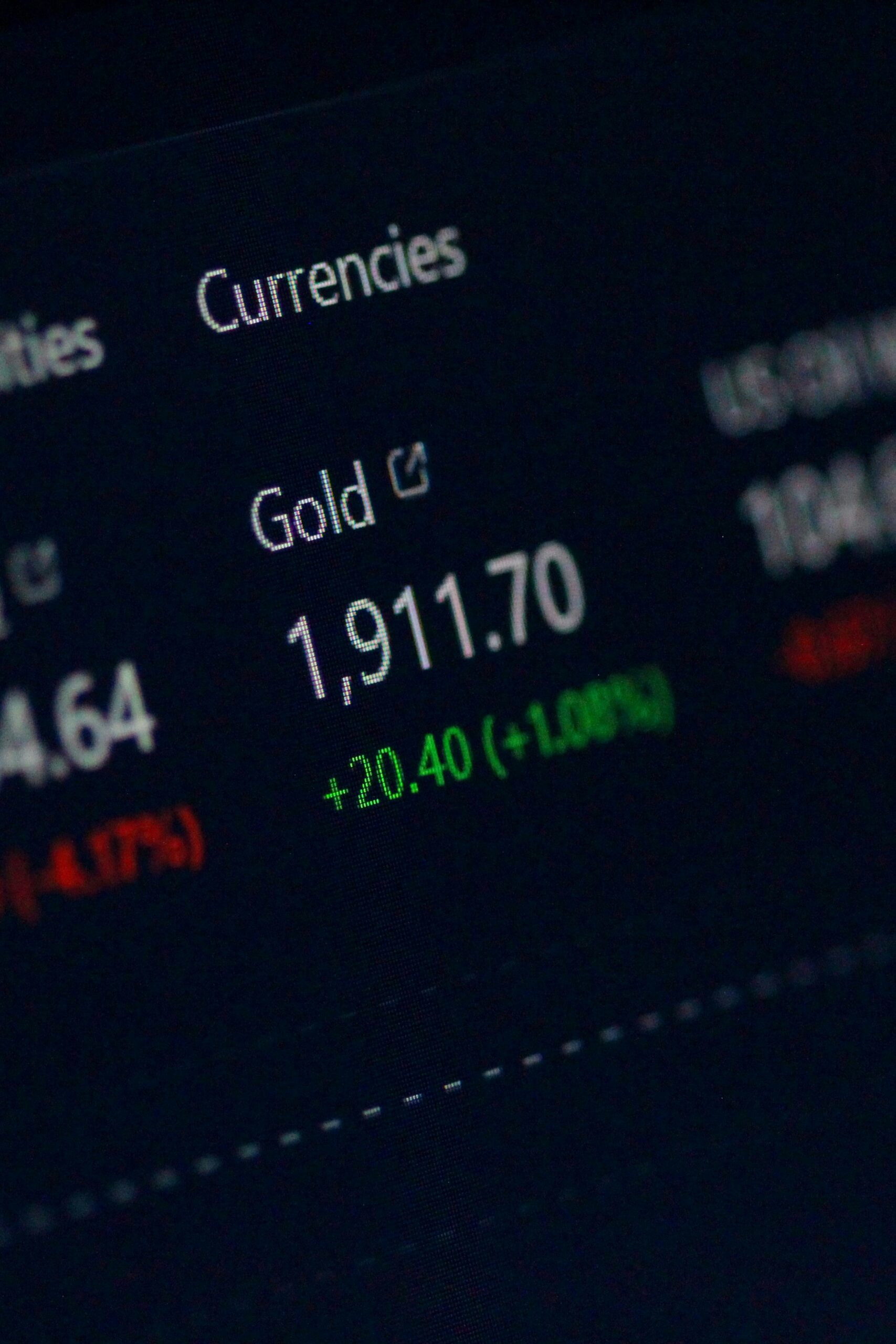
As of today, the price of gold stands at approximately $1,950 per ounce, which is equivalent to around $62.78 per gram. These figures are vital for investors who monitor the ever-fluctuating gold market. When compared to yesterday’s price of $1,945 per ounce, there has been a noticeable increase of $5. This upward trend reflects the intricate dynamics of the gold market, influenced by factors such as global economic conditions, interest rates, and investor sentiment.
To provide a comprehensive view of the current gold price trends, the following table illustrates the price changes over the past week:
| Date | Price per Ounce (USD) | Price per Gram (USD) |
|---|---|---|
| October 15, 2023 | $1,920 | $61.75 |
| October 16, 2023 | $1,935 | $62.20 |
| October 17, 2023 | $1,940 | $62.40 |
| October 18, 2023 | $1,945 | $62.56 |
| October 19, 2023 | $1,950 | $62.78 |
This data reveals a consistent increment in prices resulting in an overall positive trajectory for gold over the week. The graphical representation alongside this table can further enhance the visual understanding of these fluctuations, showing the rise in value effectively. Investors observing these trends may consider the current pricing and market performance before making investment decisions.
Factors Influencing Gold Prices
The price of gold is influenced by a myriad of factors, both macroeconomic and microeconomic, that collectively shape the dynamics of the gold market. One of the primary macroeconomic elements is the rate of inflation. Typically, when inflation rises, the value of currency declines, prompting investors to flock to gold, which is often perceived as a safe-haven asset. This shift in investment behavior can drive up gold prices significantly.
Another critical factor is interest rates. The relationship between gold prices and interest rates is often inversely correlated; when interest rates increase, the opportunity cost of holding non-yielding assets like gold rises, leading to decreased demand and, consequently, lower prices. Conversely, lower interest rates tend to increase the appeal of gold, as other investment vehicles offer diminished returns, often resulting in a spike in gold prices.
Geopolitical events also play a substantial role in influencing gold prices. Situations of political instability or military conflict can lead to heightened uncertainty in financial markets, prompting investors to seek refuge in gold as a stable asset. Recent events, such as tensions between major world powers, have illustrated this tendency, as spikes in gold prices often coincide with escalating geopolitical risks.
Currency fluctuations, particularly of the U.S. dollar, are another important aspect impacting gold prices. A weaker dollar generally makes gold cheaper for investors holding other currencies, increasing demand and driving prices up. Conversely, a stronger dollar can make gold less attractive, resulting in a decline in price. The interplay of these factors demonstrates the complexity of the gold market, reflecting a delicate balance between economic indicators and investor behavior.
Historical Context of Gold Prices
Gold has long been recognized as a valuable asset, with a storied history that reflects both its intrinsic worth and the economic conditions of various eras. Over the past year, gold prices have experienced notable fluctuations; they began with a price around $1,800 per ounce, reflecting investor sentiment driven by geopolitical tensions and inflation concerns. By mid-year, prices surged past $2,000 per ounce, a significant milestone attributed to ongoing global economic uncertainty. Investors often regard gold as a safe haven, and during periods of turmoil—such as the COVID-19 pandemic—its value tends to increase as demand spikes.
Looking back over five years, the gold market has demonstrated a compelling trajectory. In 2018, prices hovered around $1,250 per ounce, but the introduction of expansive monetary policies and trade disputes during 2019 initiated a gradual rise. This trend persisted into 2020 as the pandemic loomed, creating a peak in prices as investors sought stability. In contrast, over the last decade, gold prices have ultimately moved from about $1,200 per ounce in 2013 to over $2,000 per ounce in recent months, illustrating its status as a sought-after investment for wealth preservation.
Noteworthy events have always played a pivotal role in gold’s price movements. For instance, the 2008 financial crisis showcased a dramatic increase in gold value, driven by a loss of confidence in traditional financial institutions. Additionally, central bank policies, inflation rates, and currency fluctuations have consistently influenced market dynamics. The interplay of these factors not only underscores gold’s volatility but also its reliability as an investment asset. Understanding this historical context equips investors and stakeholders with invaluable insights into current trends, reinforcing the significance of gold in today’s economic landscape.
Investment Insights: Is Gold a Good Buy Now?
As investors continually seek safe-haven assets, gold has maintained its stature as a reliable investment choice. Evaluating whether now is a good time to invest in gold necessitates a closer look at current prices, prevailing trends, and market forecasts. In recent months, gold prices have shown significant volatility, reflecting shifts in economic indicators such as inflation rates, interest rates, and geopolitical tensions. Understanding these factors can assist in determining the timing of gold investments.
Investors have several options when considering gold investments. Physical gold, such as coins and bars, offers a tangible asset for those looking to hold their wealth in a secure form. However, buying physical gold requires considerations like storage and insurance, which might deter some potential investors. On the other hand, gold exchange-traded funds (ETFs) provide individuals with a more accessible way to invest in gold without the associated burdens of physical ownership. ETFs track gold indices, allowing for diversification and liquidity, making them an attractive option for modern investors.
Furthermore, investing in mining stocks remains another viable avenue, offering potential for capital growth and dividends. However, such investments involve inherent risks associated with operational management and market fluctuations. Industry experts have recently suggested that investors exercise caution; they recommend careful evaluation of the current market environment, emphasizing that historical gold prices tend to rise amid economic uncertainty. Market predictions indicate that, while the short-term outlook might be tempered by interest rate hikes, long-term prospects for gold remain positive due to ongoing inflation concerns and geopolitical instability.
In conclusion, potential investors should assess their risk tolerance, investment horizon, and current market conditions when considering gold purchasing strategies, whether through physical assets, ETFs, or mining stocks. The prevailing indicators suggest that with careful planning, investing in gold could be a sound strategy for wealth preservation and portfolio diversification in the near future.